

The New Sovjeties
Researchers: Anouk van Vliet, Caroline de Vries, Manon Schipper, Nina Beekman & Sandra Martens
Soviet influence on different generations
Soviet Estonia, or the Estonian Soviet Socialist Republic (ESSR) was a republic of the Soviet Union, established on the 21st of July 1940. It was incorporated into the USSR on the 9th of August 1940. On the 16th of November 1988, ESSR became the first republic of the Soviet Union to declare state sovereignty from Moscow, and on the 30th of March 1990, the ESSR declared a period leading to the country’s full independence. On May 8th, 1990, the ESSR was named the Republic of Estonia. The Soviet Union recognized the independence on the 6th of September, 1991.
We want to investigate the influence of the USSR on different generations. Specifically, we want to make a distinction between the young generation (students) and the old generation. With the old generation we mean people who actually experienced Estonia being part of the USSR (people who are now 45 or older, were 18 or older when Estonia parted from the USSR; so we will consider people from 45 years and up as the old generation).
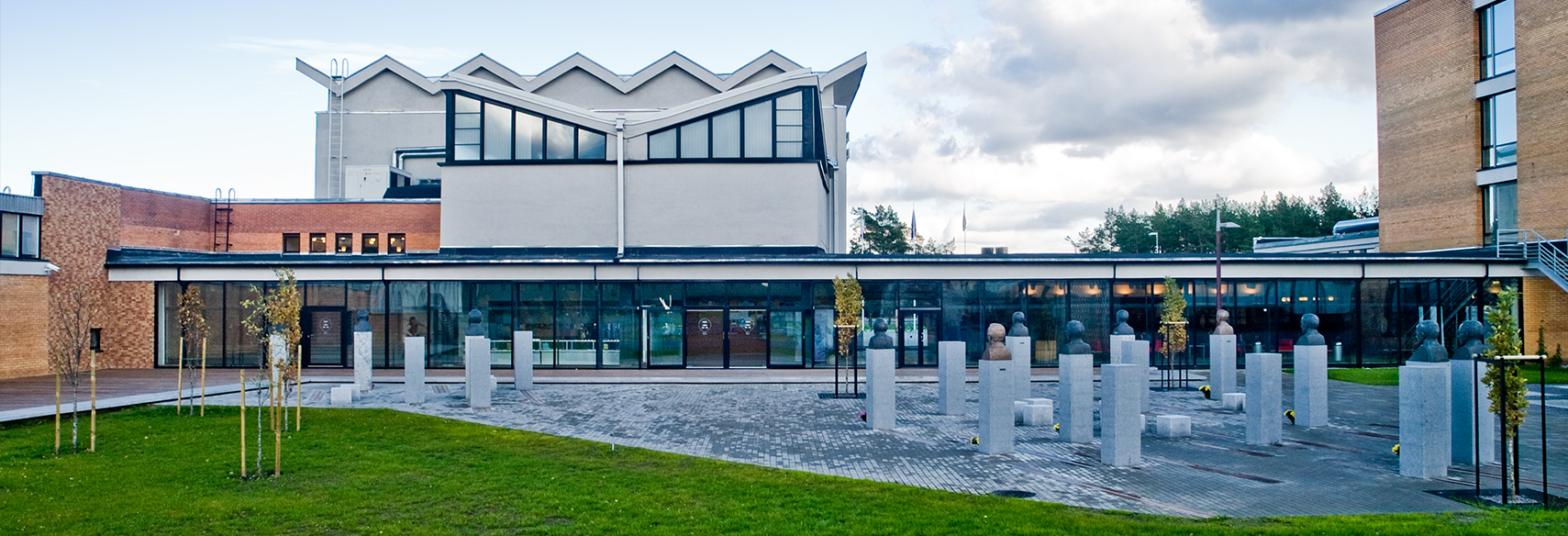
In order to answer our research question, we will meet up with professors from Tallinn University.Tanel Kerikmäe is an international lawyer. He teaches European Law, and is the director of Tallinn Law School of Tallinn University of Technology. He is also known as board member of several high-ranked law journals, and author of more than 150 articles and publications. Archil Chochia is a researcher at Tallinn Law School of Tallinn University of Technology. He has more than 70 publications and currently manages several projects at Tallinn Law School. They will answer our questions regarding how the laws have changed during the ESSR and in the period after, leading up to today. They will help us establish whether there were changes in laws and whether these changes are still noticeable today, or whether they have influenced the current Estonian law.
We will also visit the KGB prison cells. In this prison Estonian politics, state officials, businessmen, etc. were imprisoned and interrogated during the occupation of Estonia. Those that were interrogated were tortured and then either sentenced to death or sentenced to a prison camp. The prison was built in a way to mute the sounds of the interrogations and torturing. We will visit the KGB prison cells and take a guided tour there. A guided tour gives us the opportunity to ask all questions we may have and it will therefore provide us a more detailed answer to our research question.
During our days in Tallinn, we will also try to talk to people on the streets that are willing to answer our questions. Meeting with professors and visiting the KGB prison cells will give us background information on the occupation of Estonia. However, to explore whether there still is an influence of the ESSR on the inhabitants of Tallinn today, it might be an interesting addition to ask the people we meet on the street to see if they notice any influences in their daily lives. Ideally, we would ask both younger and older inhabitants of Tallinn to provide answers to our questions.
Finally, the influence of the USSR can also be seen in buildings and constructions. In particular the Alexander Nevski Cathedral can provide useful insights. In this Russian Orthodox church, influences of the Russian architectural style are visible. It was built in 1900 on Toompea Hill, when Estonia belonged to the Czarist Empire, and has been well maintained ever since. It is considered as one of the most monumental examples of Orthodox sacral architecture in Tallinn. By including this architectural dimension, it will be possible to answer our research question, as it can literally show us how Russian influences are still present in the city of Tallinn today.


